We didn't manually populate the catalog, as this is not scalable. WAY pulls points of interest from the open geodata base (OpenStreetMap) and knows how to update them. This means that the service sees new cafes and attractions before competitors, and the user always gets an up-to-date picture of the world without the involvement of an editor.
WAY — a smart service for tourists
WAY is a smart platform that transforms information overload into a perfectly personalized travel route. By analyzing open geospatial data (OSM), the service tailors trips based on the user's preferred transport, points of interest, and vacation style. As a result, WAY delivers a ready-made adventure scenario, acting as a pocket-sized personal guide that knows your tastes perfectly.
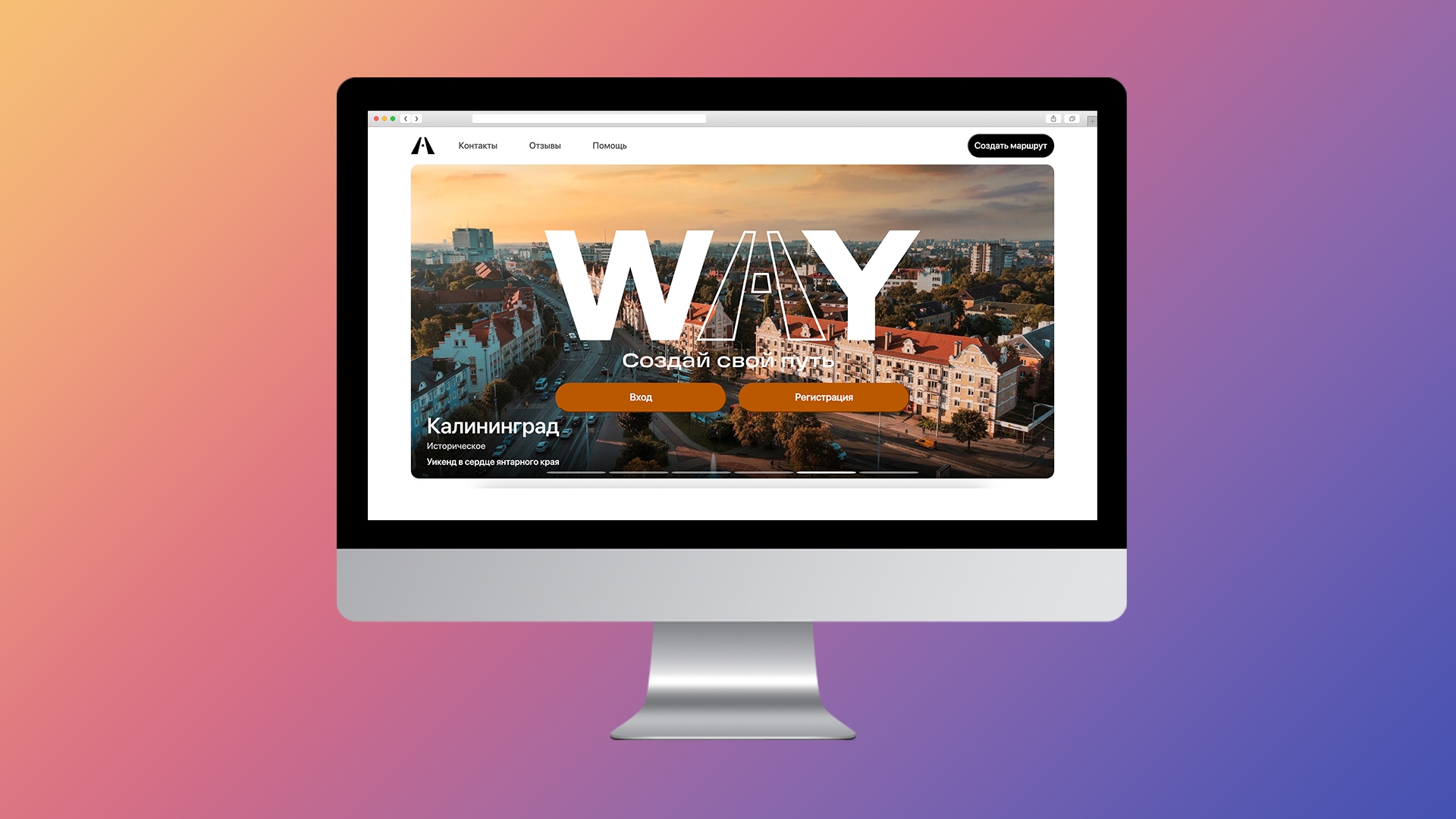
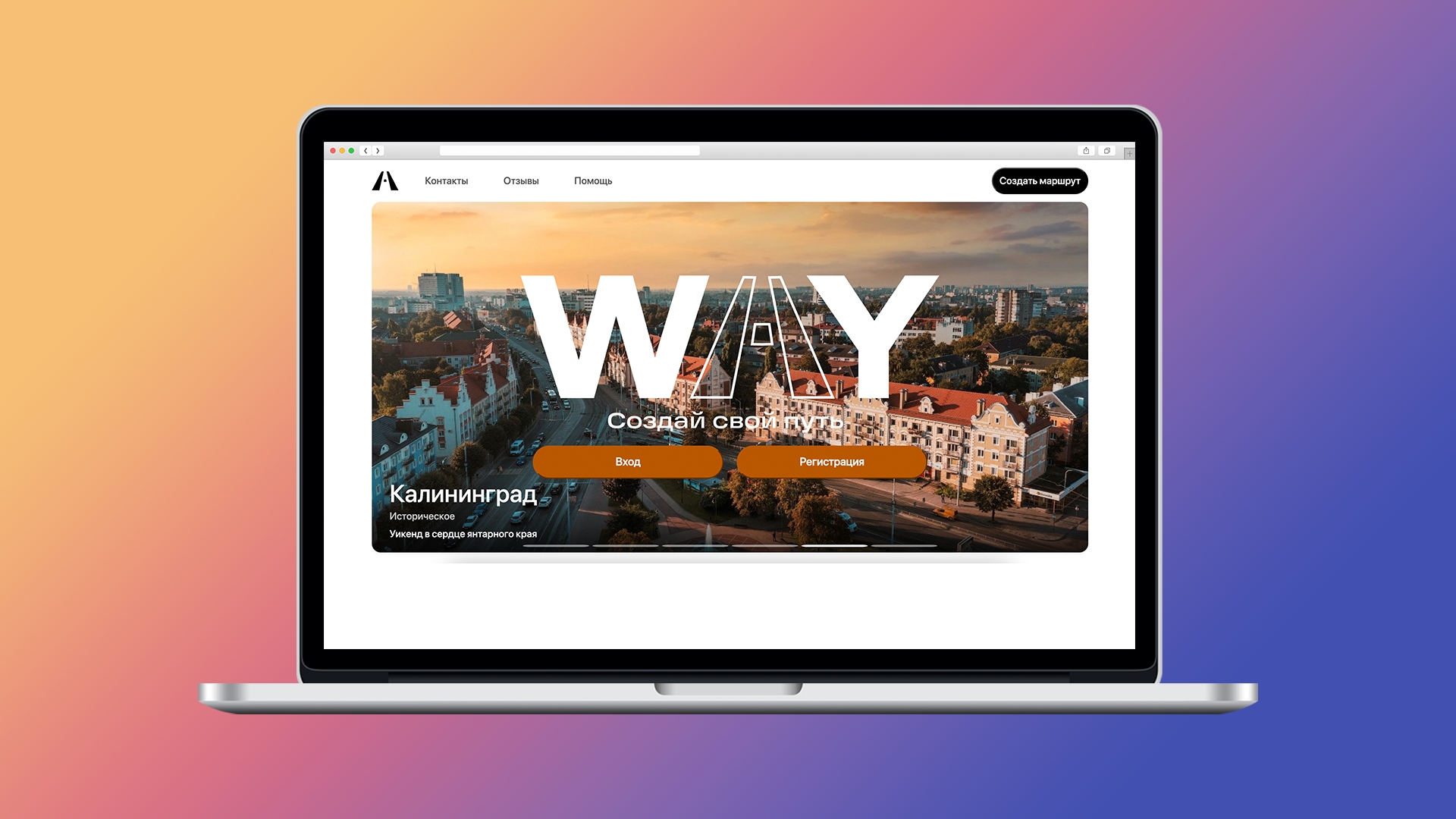
WAY asks three key questions: what are you interested in (cafes/museums/street art), how do you get around (on foot or by car), and how do you want to relax (intensively or relaxedly). The result is not a template track from a guide, but a unique route that suits this person with their pace of life and interests.
The service saves the history of all the routes that have been created. This is brilliant: a user can come back a year later, remember where they ate that pasta in Rome, or share a successful track with their friends. WAY becomes a personal travel diary that you want to return to again and again
We used OpenLayers in conjunction with React to make the map fly instead of slow down. But the main thing is the clustering of points and the smart color palette: the route doesn't turn into a mess of labels, but looks like a stylish and well-thought-out design object.
Development team




Technology stack